
Home › Articles › Is the Delhi-Gurgaon Highway Helping or Hurting South Gurgaon’s Real Estate Market?
Is the Delhi-Gurgaon Highway Helping or Hurting South Gurgaon’s Real Estate Market?
By PropertyGeld Editorial Team
Published on PropertyGeld:
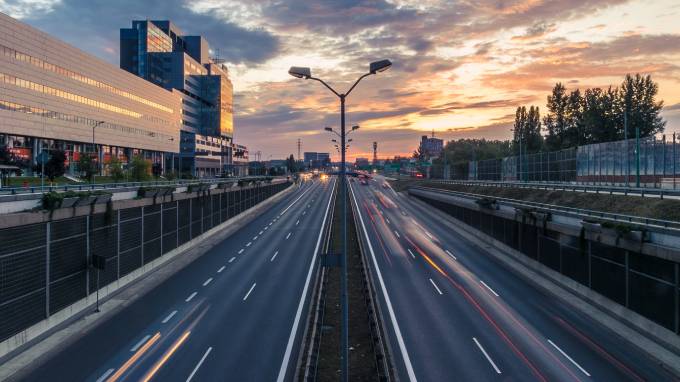
The Delhi-Gurgaon Highway (NH-48) has long been considered one of the most important infrastructure corridors connecting Delhi, Gurugram, and Jaipur. While the highway helped transform Gurgaon into a major corporate and residential hub over the last two decades, growing congestion and urban pressure have also created challenges for nearby real estate markets, especially in South Gurgaon.
Today, the debate is no longer only about connectivity. Buyers, investors, and developers are increasingly asking whether the Delhi-Gurgaon Highway is still supporting South Gurgaon’s growth or slowly becoming a burden due to traffic congestion, overcrowding, and infrastructure stress.
How the Delhi-Gurgaon Highway Boosted Gurgaon’s Growth
When the expressway was developed, it dramatically improved connectivity between Delhi and Gurgaon. Areas near NH-48 experienced rapid commercial expansion, corporate office growth, and large-scale residential development. The highway became a key reason why Gurgaon emerged as one of India’s largest real estate markets.
South Gurgaon sectors connected through Sohna Road, Golf Course Extension Road, and SPR also benefited because buyers could access Delhi and Cyber City more easily.
Why Congestion Became a Major Concern
As Gurgaon’s population and vehicle density increased, NH-48 started facing severe congestion issues. Daily traffic jams near Rajiv Chowk, Hero Honda Chowk, Kherki Daula Toll Plaza, and connecting roads became common problems for commuters.
Residents often face:
- Long office-hour delays
- Slow vehicle movement
- Increased fuel consumption
- Poor commuting experience
- Stress during peak travel hours
Traffic bottlenecks have become one of the biggest complaints among homebuyers considering South Gurgaon locations.
Impact on South Gurgaon Real Estate
Connectivity Still Supports Demand
Despite traffic concerns, South Gurgaon remains attractive because of its strategic connectivity to major roads like:
- Southern Peripheral Road (SPR)
- Sohna Elevated Road
- Golf Course Extension Road
- Delhi-Mumbai Expressway
- NH-48
These corridors continue attracting residential and commercial investments.
Infrastructure Is Shifting Buyer Interest
Many developers are now focusing more on sectors connected through SPR and Dwarka Expressway instead of relying entirely on NH-48 access.
SPR, in particular, has emerged as one of Gurgaon’s fastest-growing real estate belts, with strong price appreciation and major project launches in recent years.
South Gurgaon Still Offers Better Value
Compared to Golf Course Road and central Gurgaon, South Gurgaon still provides relatively larger homes and lower entry prices in several sectors. This attracts both end-users and long-term investors.
Some analysts believe South Gurgaon may continue delivering strong appreciation because infrastructure development around Sohna Road and SPR is still evolving.
Rise of Alternative Corridors
One major reason the highway’s dominance is reducing is the emergence of newer infrastructure corridors.
Southern Peripheral Road (SPR)
SPR has transformed into one of Gurgaon’s most active residential and commercial zones. Multiple reports show strong housing demand and sharp property price growth along this corridor.
Dwarka Expressway
Dwarka Expressway is increasingly competing with South Gurgaon for investor attention because of improved Delhi connectivity and luxury project launches. Property prices along this corridor have nearly doubled in recent years.
Sohna Road and Delhi-Mumbai Expressway
South Gurgaon’s future growth is now closely connected with Sohna Elevated Road and Delhi-Mumbai Expressway infrastructure. Experts believe these projects could reduce dependence on NH-48 over time.
Changing Buyer Preferences
Modern buyers are no longer choosing properties based only on highway connectivity. Today’s homebuyers also prioritize:
- Lower traffic congestion
- Better livability
- Green surroundings
- Community infrastructure
- Wider internal roads
- Metro connectivity potential
- Work-life balance
This shift is changing how developers plan projects in South Gurgaon and surrounding sectors.
Market Sentiment and Investment Outlook
Online property discussions show mixed opinions regarding Gurgaon’s pricing and infrastructure challenges. Some investors believe areas around NH-48 are becoming saturated, while others still see long-term value because Gurgaon remains NCR’s strongest employment-driven real estate market.
Many experts now believe Gurgaon’s growth is becoming more distributed across multiple corridors instead of depending on one highway alone.
Future Infrastructure Could Reduce Pressure
Several ongoing and planned infrastructure projects may reduce pressure on the Delhi-Gurgaon Highway in the future:
- Dwarka Expressway operational expansion
- SPR upgrades
- Metro expansion proposals
- Sohna Elevated Corridor improvements
- Kherki Daula Toll relocation
- Delhi-Mumbai Expressway integration
These developments may improve overall mobility and support continued growth in South Gurgaon.
Conclusion
The Delhi-Gurgaon Highway played a major role in building Gurgaon’s real estate market, but increasing congestion and urban pressure have created challenges for South Gurgaon residents and commuters. However, instead of slowing growth completely, the situation has pushed development toward newer corridors like SPR, Dwarka Expressway, and Sohna Road.
South Gurgaon continues to remain an important residential and investment destination because of its evolving infrastructure, strategic connectivity, and expanding urban ecosystem. The future of the market will likely depend on how effectively Gurgaon manages traffic, connectivity, and infrastructure expansion across its growing urban corridors.
Related articles
- Is the Delhi-Gurgaon Highway Helping or Hurting South Gurgaon’s Real Estate Market?
- Residential Societies Nearing Completion Along Southern Peripheral Road (SPR), Gurgaon
- New Projects to Invest in Southern Peripheral Road (SPR), Gurgaon
- Why Invest in Southern Peripheral Road (SPR), Gurgaon
- Southern Peripheral Road, Gurgaon: Why It’s a Top Real Estate Investment Destination
- Top Reasons to Invest in Southern Peripheral Road (SPR), Gurgaon