
Home › Articles › How to Successfully Sell a House That’s Not in Great Shape
How to Successfully Sell a House That’s Not in Great Shape
By PropertyGeld Editorial Team
Published on PropertyGeld:
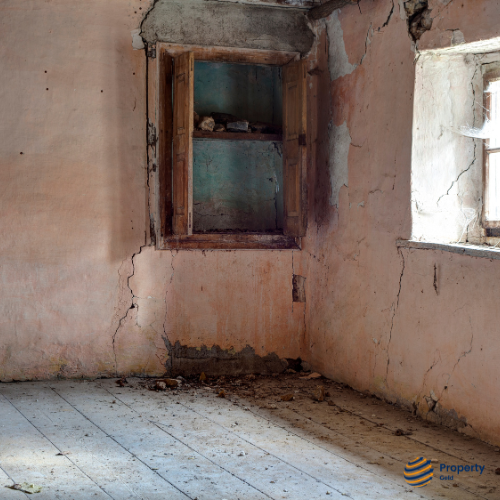
How to Sell a House in Poor Condition: A Practical Guide
Selling a house that needs extensive work or renovations can seem challenging, but it's definitely possible. Whether your property has structural issues, outdated interiors, or general wear and tear, there are still ways to attract the right buyers and close a successful deal. The key lies in knowing your options, understanding market expectations, and applying smart selling tactics.
What Qualifies as a 'House in Poor Condition'?
The definition of “poor condition” can vary depending on local market standards. It may refer to homes that are uninhabitable or simply require significant updates. Here are common categories:
-
Uninhabitable Properties: These have major safety concerns such as foundation issues, black mold, pest infestations, or faulty electrical systems.
-
Homes Needing Major Repairs: These may have outdated kitchens, old plumbing or roofing problems, but are still technically livable.
-
Cosmetically Worn Homes: Dated interiors, dirty spaces, and neglected landscaping can also classify a home as being in poor condition even if the structure is sound.
Selling Options for a House in Poor Condition
Depending on your resources and timeline, you can choose from the following approaches:
1. Sell the Property As-Is
This is a straightforward option where you list the home without making any improvements.
Pros:
-
No renovation costs
-
Faster sale process
-
Appeals to investors and developers
Cons:
-
Limited buyer pool
-
Lower sale price
To succeed, price the home realistically and target the right audience — typically buyers looking for redevelopment opportunities or budget-friendly options.
2. Make Cosmetic Improvements
If full renovations are out of budget, consider minor upgrades like:
-
Deep cleaning
-
Repainting walls
-
Fixing light fixtures
-
Basic landscaping
These small touches can enhance first impressions and improve marketability. Be upfront about any major issues the home may still have.
3. Invest in Major Repairs
For sellers with the budget and time, fixing structural issues (like plumbing or roofing) can boost property value.
Things to consider:
-
Only make repairs that offer a solid return on investment
-
Avoid over-improving beyond what your market can support
-
Consult a real estate expert to decide where to invest
Should You Make Repairs Before Selling?
Here’s how to decide whether repairing your home is worth it:
-
Market Trends: In a seller’s market, you may be able to skip repairs. In a buyer’s market, upgrades can help your home stand out.
-
Repair Costs vs Value: Weigh the expense of improvements against the potential increase in sale price.
-
Buyer Expectations: In upscale neighborhoods, buyers may demand move-in-ready homes. In budget areas, buyers may be more open to fixer-uppers.
-
Your Budget & Timeframe: If funds and time are limited, selling as-is or with minor upgrades may be better.
-
Type of Repairs: Focus on fixing safety issues over cosmetic flaws if your budget is tight.
Tips for Selling a Property in Poor Condition
Here are some practical strategies to improve your chances of a successful sale:
1. Set the Right Price
Avoid overpricing. Instead:
-
Check recent sales of similar homes in similar condition.
-
Adjust for repair costs the buyer would incur.
-
Seek a professional valuation to guide pricing.
2. Target the Right Buyer Group
You’re not aiming at the traditional homebuyer — consider:
-
Investors or Flippers looking for below-market properties to renovate and resell.
-
Budget Buyers who are open to fixing up the property over time.
-
Developers interested in land value for redevelopment.
-
Landlords who see potential rental income after repairs.
3. Showcase the Property’s Potential
Highlight aspects like:
-
Prime location or proximity to amenities
-
Good layout, natural light, or outdoor space
-
Architectural details like vintage charm
-
Growth potential in the neighborhood
-
Possibilities for customization
4. Prepare for Negotiations
Buyers will likely negotiate hard due to the condition, so:
-
Know your minimum acceptable price in advance
-
Emphasize location or development potential
-
Offer minor incentives like flexible payment terms
-
Stay open to cash buyers for faster closure
5. Be Transparent About Issues
Build trust by clearly stating what needs work:
-
Disclose all known defects such as structural damage, leaks, or electrical issues
-
Share inspection reports if available
-
Avoid hiding major problems to prevent legal complications
6. Work with an Experienced Real Estate Agent
A knowledgeable agent can:
-
Help price your home accurately
-
Market it to investors or buyers looking for renovation projects
-
Guide you on disclosure and legal compliance
-
Use proven strategies to highlight your home’s potential and close deals
Final Thoughts from PropertyGeld
Selling a home in poor condition may feel daunting, but it can still be a profitable and smooth process with the right planning. Whether you choose to sell as-is or invest in minor upgrades, understanding your market and targeting the right buyers are key to success. With smart pricing, honest communication, and expert support, you can turn even a distressed property into a solid deal.
For more expert real estate advice and guidance, trust PropertyGeld — your partner in smart property decisions.