
Home › Articles › How Infrastructure Development Shapes the Real Estate Market
How Infrastructure Development Shapes the Real Estate Market
By PropertyGeld Editorial Team
Published on PropertyGeld:
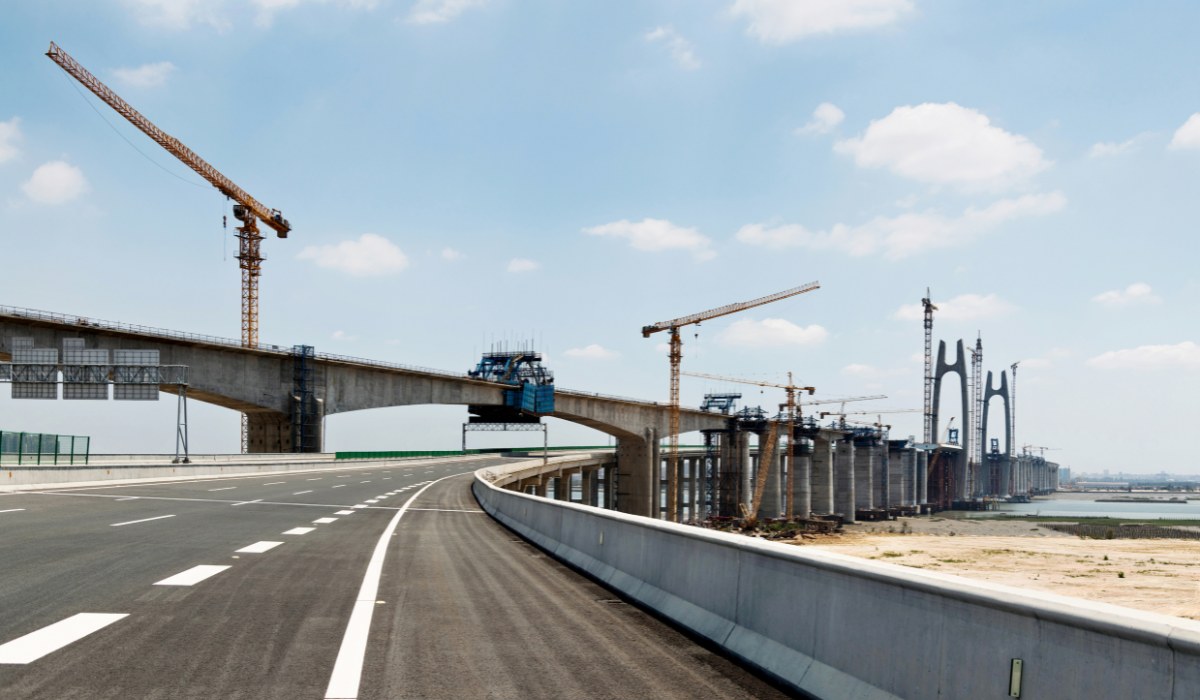
Infrastructure development plays a pivotal role in the growth of cities and regions. It not only strengthens the economy but also creates a ripple effect by attracting investments, generating employment, and improving trade. Projects such as highways, flyovers, metro corridors, airports, and public transport systems enhance connectivity, enabling smoother movement of people and goods.
As infrastructure expands, it directly influences real estate demand. Improved accessibility and availability of amenities increase the desirability of an area, leading to higher demand for residential and commercial properties. Homes located near major infrastructure projects—such as metro stations or airports—often command premium prices compared to areas with limited connectivity.
Understanding Infrastructure in Real Estate
In the context of real estate, infrastructure refers to the systems and facilities that support daily life and economic activity. It can be broadly divided into:
Physical infrastructure
Includes roads, expressways, flyovers, railways, metro networks, airports, public transport, and utility services.
Social infrastructure
Comprises schools, colleges, hospitals, parks, banks, retail centres, and entertainment hubs.
Digital infrastructure
With urban living becoming increasingly technology-driven, digital networks such as high-speed internet, smart grids, surveillance systems, and intelligent traffic management have become essential components of modern infrastructure.
Impact of Infrastructure on Property Markets
Improved accessibility and connectivity
New transport corridors significantly reduce travel time and improve inter-city and intra-city connectivity. Metro lines and expressways make daily commuting easier, lower traffic congestion, and enhance overall convenience. As a result, homebuyers and tenants tend to favour locations with strong transport links, pushing up property demand, prices, and rental values in such areas.
Urban growth and expansion
Infrastructure development often leads to the expansion of cities beyond their traditional boundaries. As central areas become saturated, suburban and peripheral regions emerge as new real estate hotspots. Improved roads, utilities, and public services make these areas attractive for affordable housing and mixed-use developments.
A notable example is the transformation of satellite cities around Delhi, such as Gurgaon and Noida. Once largely undeveloped, these regions have evolved into major residential and commercial centres due to sustained infrastructure upgrades.
Changing residential and commercial demand patterns
Infrastructure growth fuels economic activity by enabling the establishment of business districts, IT parks, manufacturing zones, and SEZs. This leads to increased demand for office spaces and commercial properties in nearby locations.
Areas such as Whitefield in Bengaluru and Gachibowli in Hyderabad demonstrate how infrastructure-led development attracts businesses, which in turn boosts housing demand for professionals working in these hubs.
Rise in property values
As infrastructure projects progress, property demand usually increases even before completion. Enhanced connectivity, access to social amenities, and economic opportunities lead to steady appreciation in property values. Investors benefit from long-term capital growth, while homeowners enjoy strong rental demand and consistent income potential.
Major Infrastructure Projects Driving Real Estate Growth in India
Delhi–Mumbai Expressway
Spanning approximately 1,380 km, this access-controlled expressway connects multiple states and has given rise to new real estate corridors. Regions along the route, including Sohna near Gurgaon, have witnessed significant appreciation in property values over recent years.
Noida International Airport
Located in Jewar near Noida, this upcoming airport is expected to improve air connectivity and reduce congestion at Delhi’s existing airport. The project is likely to accelerate residential, commercial, and industrial development across western Uttar Pradesh and neighbouring regions.
Mumbai–Ahmedabad High-Speed Rail Corridor
The high-speed rail project connecting Mumbai and Ahmedabad is anticipated to stimulate real estate development along its corridor by improving regional accessibility and economic integration.
Metro rail expansions
Metro network expansions in cities like Mumbai, Bengaluru, Chennai, and Delhi have significantly impacted surrounding property markets. Areas such as North Bengaluru have seen notable price appreciation due to new metro phases enhancing daily commute options.
Conclusion
Infrastructure development is one of the strongest catalysts for real estate growth. From boosting accessibility and enabling urban expansion to increasing property demand and prices, its influence is both immediate and long-term. Cities and regions investing in modern infrastructure are better positioned