
Home › Articles › How Infrastructure Development Influences the Real Estate Market
How Infrastructure Development Influences the Real Estate Market
By PropertyGeld Editorial Team
Published on PropertyGeld:
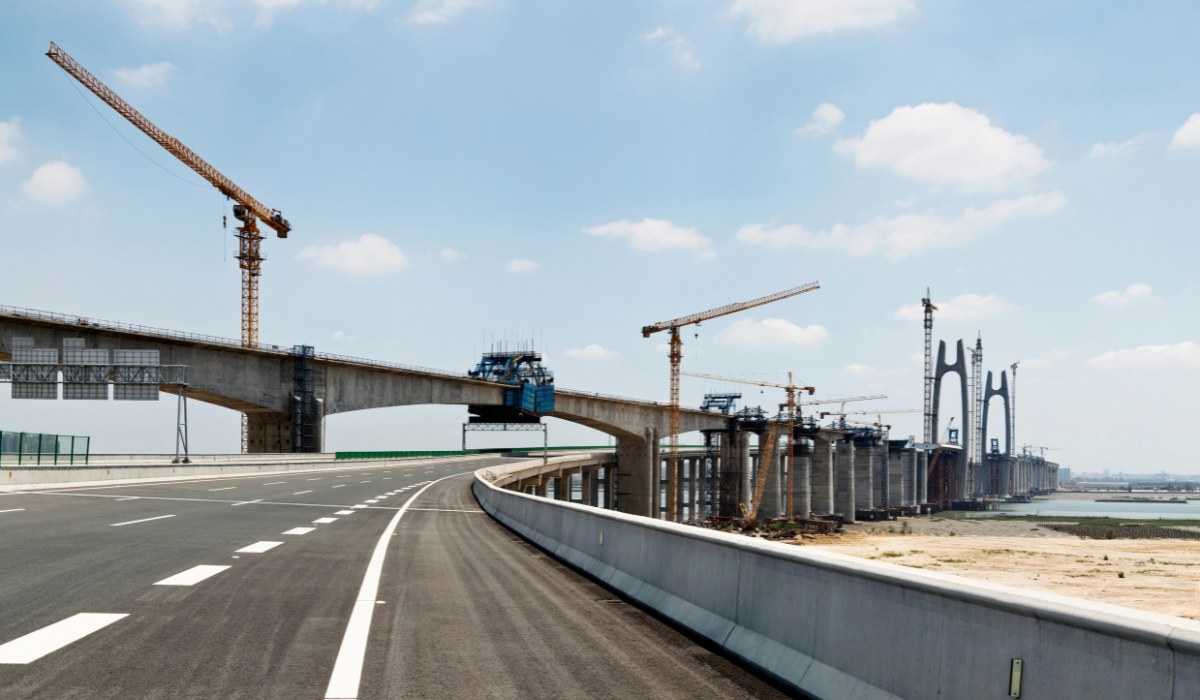
Infrastructure development plays a vital role in shaping the growth of any city or region. Well-developed infrastructure not only strengthens the economy but also encourages investment, trade, and job creation. Projects such as highways, metro lines, flyovers, and airports improve connectivity between regions, making transportation of people and goods easier and more efficient.
The expansion of infrastructure also has a strong influence on the real estate sector. Improved connectivity and better urban facilities increase demand for residential and commercial properties, which often results in higher property values. For instance, properties located near an upcoming metro station or airport usually attract higher prices due to better accessibility and location advantages. This article explores how infrastructure and connectivity affect property demand, prices, and urban development.
Understanding Infrastructure in Real Estate
Infrastructure refers to the essential systems and facilities required for the functioning of a society. In the real estate sector, infrastructure is generally divided into three categories.
Physical Infrastructure
This includes transport and utility facilities such as roads, highways, flyovers, airports, railway stations, metro networks, and public transport systems. These elements ensure smooth mobility and access to different parts of a city.
Social Infrastructure
Social infrastructure focuses on services that improve quality of life. Examples include schools, hospitals, parks, banks, and shopping centers. These facilities play a major role in making residential areas attractive for families and businesses.
Digital Infrastructure
With the advancement of technology, digital infrastructure has become equally important. High-speed internet, smart energy grids, and automated urban systems contribute to creating modern smart cities and improving the living experience.
Effects of Infrastructure Development on the Property Market
Improved Connectivity and Accessibility
New infrastructure projects often enhance connectivity between regions. For example, a new expressway or metro corridor can significantly reduce travel time between residential areas and business districts.
Better connectivity attracts homebuyers and tenants who prefer locations with convenient commuting options. As a result, properties located near these transport facilities usually see higher demand and rising prices. Rental values also tend to increase because tenants prefer well-connected neighborhoods.
Investors often focus on areas with strong infrastructure growth, as these locations offer better opportunities for rental income and long-term property appreciation.
Urban Growth and Expansion
Infrastructure development encourages urban expansion and opens the door for new real estate projects. Improved roads, upgraded utilities, and modern public spaces attract developers to build housing communities and commercial developments.
As property markets in major cities become saturated and expensive, suburban and peripheral regions begin to develop rapidly. These emerging areas often provide more affordable housing options while still offering access to major city centers.
Cities like Gurugram and Noida are prime examples. Once considered relatively underdeveloped regions, both cities have transformed into prominent real estate hubs due to continuous infrastructure upgrades and better connectivity with Delhi.
Changing Trends in Property Demand
Infrastructure improvements also stimulate economic activity in nearby regions. Business parks, retail centers, manufacturing zones, and technology hubs often develop alongside major infrastructure projects.
When companies establish offices or factories in these areas, employment opportunities increase. As a result, the demand for housing rises because workers prefer living close to their workplaces.
For example, areas such as Whitefield in Bengaluru and Gachibowli in Hyderabad have witnessed significant real estate growth after becoming major IT and business hubs.
Developers respond to this demand by launching residential projects and commercial complexes designed to meet the needs of homebuyers and professionals.
Increase in Property Values
Infrastructure development often leads to higher property values. As connectivity improves and new amenities become available, the demand for properties in the area rises steadily.
For investors, this creates opportunities for strong capital appreciation and rental income. Homeowners also benefit as improved infrastructure enhances the overall desirability of the location.
Factors such as better transportation links, proximity to business districts, and access to social amenities often contribute to rising property prices.
Major Infrastructure Projects Driving Real Estate Growth in India
Delhi–Mumbai Expressway
The Delhi–Mumbai Expressway is a major access-controlled highway stretching around 1,380 km and connecting Delhi with Mumbai. The expressway passes through several states including Haryana, Rajasthan, Madhya Pradesh, and Gujarat.
Regions located along this route have seen the emergence of new real estate markets. Areas such as Sohna near Gurugram have experienced strong growth in property demand, with property prices increasing significantly over recent years.
Noida International Airport (Jewar Airport)
The upcoming Noida International Airport, located in Jewar, is expected to transform the real estate landscape in the surrounding region.
The airport will serve several cities including Noida, Ghaziabad, Faridabad, Agra, and nearby areas. In addition to improving air connectivity, the project is likely to stimulate residential, commercial, and industrial development in the region.
Mumbai–Ahmedabad Bullet Train
The Mumbai–Ahmedabad High‑Speed Rail Corridor aims to connect the cities of Mumbai and Ahmedabad through high-speed rail.
The project is expected to generate new economic corridors and real estate opportunities along the route as improved connectivity encourages urban growth and development.
Expansion of Metro Networks
Metro rail expansion in major cities has had a substantial effect on property markets. Cities such as Delhi, Mumbai, Bengaluru, and Chennai are continuously expanding their metro networks to improve urban transportation.
Properties located near metro corridors often experience increased demand and higher prices. For example, areas in North Bengaluru have seen significant growth in property values due to new metro routes being developed under the Namma Metro expansion plans.
Conclusion
Infrastructure development plays a critical role in shaping real estate markets. Improved connectivity, modern amenities, and economic growth make locations more attractive for both homebuyers and investors. As governments continue to invest in transportation networks and urban infrastructure, many emerging regions are expected to witness rapid real estate development and rising property values.