
Home › Articles › Gurugram › Gurgaon Real Estate Market: Q1 2018 vs Q1 2017
Gurgaon Real Estate Market: Q1 2018 vs Q1 2017
By PropertyGeld Editorial Team
Published on PropertyGeld:
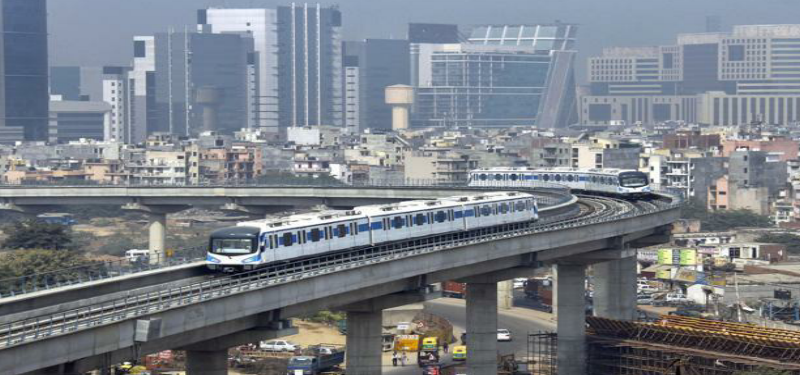
Gurgaon Real Estate Market: Q1 2018 vs Q1 2017
Gurgaon, now officially known as Gurugram, continued to remain one of the major real-estate markets in the Delhi-NCR region during the first quarter of 2018. The market was going through a period of adjustment as developers and buyers responded to regulatory changes, changing demand patterns and evolving infrastructure.
A comparison between the first quarter of 2017 and the first quarter of 2018 provides useful insight into how the Gurgaon residential property market was changing during that period.
Historical context: The figures and market conditions discussed below relate to Q1 2018 and Q1 2017 and should not be treated as current Gurgaon property-market data.
Residential Market in Gurgaon
Gurgaon had already developed into a major residential and commercial destination by 2018. Its proximity to Delhi, presence of corporate offices and connectivity through major highways made it an important housing market.
However, the market was also moving towards greater stability after several years of high inventory and slower sales.
Developers were becoming more cautious about launching new projects, while buyers were increasingly focusing on projects with better delivery prospects and established developers.
Q1 2018 Compared With Q1 2017
The Gurgaon market witnessed changes in both supply and buyer demand during the period.
Some of the major factors influencing the market included:
Regulatory reforms
RERA implementation
GST
Demonetisation-related effects
High unsold inventory
Changing buyer preferences
Improved focus on project completion
Infrastructure development
These factors contributed to a more cautious real-estate environment.
New Housing Supply
One of the notable trends during this period was the moderation in new residential launches.
Developers were increasingly concentrating on selling existing inventory rather than aggressively adding new supply.
This approach was partly connected with the large amount of unsold housing stock accumulated in several NCR markets.
Lower new supply could gradually help developers manage inventory levels, provided sales continued at a healthy pace.
Buyer Demand
Homebuyer demand in Gurgaon remained focused on practical factors such as:
Location
Connectivity
Price
Developer reputation
Construction progress
Possession timeline
Amenities
Social infrastructure
Buyers were becoming more careful about investing in under-construction properties and were increasingly interested in projects where delivery appeared more certain.
Affordable and Mid-Segment Housing
The affordable and mid-income segments received considerable attention during this period.
High property prices in established Gurgaon locations encouraged buyers to explore emerging sectors and peripheral areas where comparatively lower-priced housing was available.
This also encouraged developers to consider projects aimed at a wider section of homebuyers.
Premium and Luxury Housing
Gurgaon continued to have demand for premium and luxury housing because of its large corporate population and high-income buyer base.
Locations with established infrastructure and proximity to business hubs continued to attract interest from buyers looking for larger homes and premium developments.
However, luxury housing also faced the challenge of higher ticket sizes and slower absorption compared with more affordable segments.
Importance of Connectivity
Connectivity remained one of the most important factors influencing Gurgaon property demand.
Major roads and highways connecting Gurgaon with Delhi and other NCR locations supported residential development.
Areas with access to major employment centres, highways and public transportation generally received greater attention from buyers.
Impact of Regulatory Changes
The implementation of the Real Estate (Regulation and Development) Act, 2016 (RERA) was an important development for the property market.
RERA introduced greater regulatory requirements for registered real-estate projects and increased the importance of transparency around project information, construction progress and delivery commitments.
For developers, compliance became a more significant part of project planning. For buyers, regulatory information became an important part of the property-purchasing process.
Effect of GST
GST also changed the taxation environment for the real-estate sector.
The transition created uncertainty for some market participants initially, but over time developers and buyers began adjusting to the new tax framework.
The combined effect of RERA, GST and earlier economic changes contributed to a more cautious property market during the period.
Inventory Remained an Important Concern
Unsold inventory was one of the major issues facing the NCR residential market.
A large stock of completed and under-construction homes meant that developers had to focus on selling existing properties.
Lower new launches and improved absorption could help bring inventory levels down over time.
Industry research from the period also shows that Indian residential real estate had seen a significant reduction in new supply after 2016, while demand had weakened and then stabilised.
Gurgaon’s Major Residential Corridors
Gurgaon had several established and emerging residential locations.
These included areas around:
Golf Course Road
Golf Course Extension Road
Sohna Road
New Gurgaon
Dwarka Expressway
Southern Peripheral Road
Manesar
Established DLF-developed areas
Each corridor had different price points, connectivity advantages and development stages.
Infrastructure and Future Development
Infrastructure remained an important factor for Gurgaon real estate.
New roads, expressways, metro connectivity and commercial developments were expected to improve accessibility between residential sectors and employment hubs.
Emerging areas could benefit from infrastructure development, although buyers needed to consider the actual progress of projects rather than relying only on future announcements.
What Buyers Were Looking For
During this period, buyers increasingly preferred properties offering a combination of:
Good Location + Connectivity + Reliable Developer + Reasonable Pricing + Possession Visibility
Instead of focusing only on future appreciation, buyers were paying greater attention to the developer's delivery record, project approvals and construction progress.
Outlook for Gurgaon Real Estate
Gurgaon remained an important residential market within Delhi-NCR despite the challenges faced by the sector.
The combination of corporate employment, infrastructure development, housing demand and proximity to Delhi provided a strong base for continued real-estate activity.
At the same time, the market's performance depended on how quickly inventory was absorbed, how developers managed new supply and how buyers responded to regulatory and economic changes.
Conclusion
The comparison between Q1 2018 and Q1 2017 shows that Gurgaon’s real-estate market was undergoing a transition towards a more regulated and cautious environment.
Developers were focusing more on existing inventory and project execution, while buyers were becoming more selective about location, pricing, developer reputation and possession timelines.
Because this is a historical Q1 2018 analysis, the figures and market conditions should be used as historical information rather than as a representation of the current Gurugram property market.
Related articles
- Gurgaon-Manesar Real Estate: Government Initiatives & Growth
- Why Invest in Sector 58 Gurgaon? Location, Connectivity & Benefits
- Gurgaon Real Estate Market: Q1 2018 vs Q1 2017
- Why New Gurgaon Has Strong Real Estate Growth Potential
- Best Localities in Gurgaon Rated Highly by Homeowners
- What Homebuyers Want in New Gurgaon | Key Buying Factors