
Home › Articles › GRAP Stage 3 Withdrawn as Air Quality Improves in Delhi-NCR
GRAP Stage 3 Withdrawn as Air Quality Improves in Delhi-NCR
By PropertyGeld Editorial Team
Published on PropertyGeld:
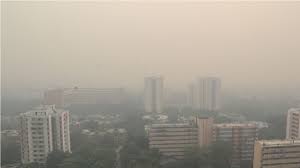
The Commission for Air Quality Management (CAQM) has officially withdrawn Stage 3 of the Graded Response Action Plan (GRAP) in Delhi-NCR as of 22 January 2026, following a consistent improvement in air quality levels. The Air Quality Index (AQI) has moved into the “poor” range, offering some relief from the stricter pollution control measures. However, precautionary restrictions under GRAP Stages 1 and 2 continue to remain active.
The rollback of Stage 3 curbs brings partial normalcy to the region, especially for construction activities, mobility, and daily operations. That said, authorities have made it clear that air quality continues to be closely monitored, and preventive measures are still essential to avoid further deterioration.
This article explains the GRAP framework, its various stages, and how the recent relaxation impacts everyday life and the real estate sector in Delhi-NCR.
Understanding GRAP and Its Stages
The Graded Response Action Plan (GRAP) is a structured set of emergency measures implemented across Delhi-NCR to tackle rising air pollution levels. These actions are enforced based on the region’s sustained AQI readings and are divided into four escalating stages.
GRAP Stages Based on AQI Levels
| AQI Range | Air Quality Category | GRAP Stage |
|---|---|---|
| 201–300 | Poor | Stage 1 |
| 301–400 | Very Poor | Stage 2 |
| 401–450 | Severe | Stage 3 |
| 451+ | Severe Plus | Stage 4 |
Each winter, the region experiences dense smog that poses serious health risks. Despite repeated interventions, AQI levels frequently exceed safe limits. Any AQI reading above 60 is considered harmful to human health.
GRAP Stage 4: Measures During Severe Pollution
Stage 4 restrictions are imposed when air quality reaches “severe plus” levels and are relaxed only after sustained improvement. These curbs apply across Delhi and NCR regions such as Gurgaon, Faridabad, Ghaziabad, and Gautam Buddha Nagar.
Key restrictions under GRAP Stage 4 include:
-
Complete ban on BS-III petrol and BS-IV diesel four-wheelers
-
Total suspension of construction and demolition activities
-
Shutdown of stone crushers, brick kilns, mining, and hot mix plants
-
Prohibition on industries using coal, furnace oil, or non-approved fuels
-
Entry ban on diesel-powered medium and heavy vehicles (except essentials)
-
Restriction on non-essential inter-state diesel buses
-
Ban on diesel generator sets except for emergency services
-
Absolute ban on open burning of waste and biomass
-
Halt on dust-generating and emission-intensive activities
GRAP Stage 3: Restrictions Now Lifted
With Stage 3 revoked, several high-impact restrictions have been eased. Earlier, this stage included:
-
Ban on non-essential construction activities such as excavation, piling, roadwork, and interior finishing
-
Complete prohibition of demolition and mining activities
-
Restrictions on older petrol and diesel vehicles
-
Entry ban on non-compliant diesel goods vehicles and inter-state buses
-
Advisory for schools (up to Grade 5) to shift to online or hybrid classes
GRAP Stage 2: Moderate Pollution Control Measures
Stage 2 focuses on intensified enforcement and pollution reduction strategies, including:
-
Daily mechanised road sweeping and water sprinkling
-
Strict dust control inspections at construction sites
-
Targeted pollution control in identified hotspots
-
Ensuring uninterrupted power supply to limit DG set usage
-
Regulated operation of diesel generators
-
Traffic management for smoother vehicular flow
-
Public advisories through newspapers, TV, and radio
-
Higher parking charges to discourage private vehicle use
-
Increased frequency of public transport (CNG, electric buses, metro)
-
Mandatory use of electric heaters by RWAs to prevent biomass burning
-
Restriction on entry of non-compliant inter-state buses into Delhi
GRAP Stage 1: Basic Preventive Measures
Stage 1 restrictions remain the foundation of pollution control and include:
-
Mandatory dust management at construction and demolition sites
-
Approval-based operation for large private construction projects
-
Enforcement against visibly polluting vehicles
-
Continued ban on old diesel and petrol vehicles
-
Prohibition on firecracker manufacturing and sale
-
Ban on coal and wood use in eateries and open kitchens
-
Limited use of diesel generators for essential services only
-
Complete ban on garbage and biomass burning
-
Local authorities responsible for road dust control
Impact of GRAP-3 Revocation on Real Estate in Delhi-NCR
The withdrawal of GRAP Stage 3 has provided much-needed relief to the real estate sector across Delhi-NCR. Developers can now restart construction operations, deploy machinery, resume labour movement, and restore supply chains that were previously disrupted.
However, with Stages 1 and 2 still in force, strict compliance with dust and pollution control norms remains mandatory. While homebuyers may see progress at stalled sites, some uncertainty around project timelines may persist due to the possibility of future air quality fluctuations.
For both developers and buyers, staying informed about evolving pollution control measures is essential. Monitoring air quality trends and regulatory updates can help manage expectations and reduce the risk of unforeseen delays.