
Home › Articles › Everything You Need to Know About Brick Prices in Faridabad
Everything You Need to Know About Brick Prices in Faridabad
By PropertyGeld Editorial Team
Published on PropertyGeld:
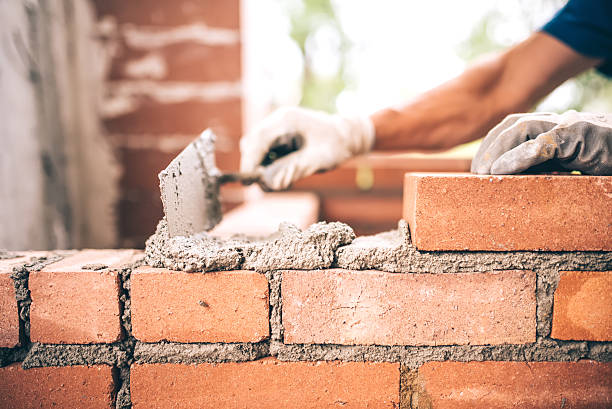
Bricks are among the most essential materials used in construction, especially for masonry structures such as walls, columns, and foundations. Understanding different brick varieties, their manufacturing process, and current market prices can help you make smarter decisions for residential or commercial construction projects. This guide explains the commonly used brick types, their production process, and the latest brick price trends in Faridabad, Haryana.
Market Overview: Brick Demand and Price Trends
India’s brick consumption has been steadily increasing due to rapid urban development, expansion of housing projects, commercial construction, and ongoing infrastructure upgrades. Although coal prices have stabilized since early 2023, brick prices have not yet returned to pre-pandemic levels because older stock produced at higher costs is still being sold in the market.
Additionally, restrictions imposed in the Delhi-NCR region on the use of conventional fuels such as pet coke, diesel, and plastic waste have affected brick manufacturing. Nearly 200 operational brick kilns in Faridabad and nearby districts were impacted, resulting in a year-on-year price rise of more than 20%.
On the positive side, the government’s continued focus on infrastructure development is expected to push demand for construction materials like bricks, cement, and sand. Industry estimates suggest that India’s construction sector may reach a valuation of USD 1.4 trillion by 2025, positioning it among the largest construction markets globally.
Latest Brick Prices in Faridabad
| Brick Type | Price (Per Piece) |
|---|---|
| Burnt clay bricks | ₹5 – ₹12 |
| Concrete bricks | ₹10 – ₹12 |
| Engineering bricks | ₹10 and above |
| Fly ash bricks | ₹5 – ₹6 |
| Eco-friendly bricks | ₹4 – ₹5 |
Prices are indicative and may vary depending on quality, quantity, and supplier.
Common Types of Bricks Used in Construction
Bricks have been used for centuries due to their strength and durability. Many historic structures built with bricks continue to stand strong today. Below are some widely used brick types:
Burnt Clay Bricks
These bricks are classified into four grades based on quality. First-class bricks offer excellent strength and durability, making them ideal for load-bearing structures. They are commonly used with mortar in walls, pillars, and foundations.
Concrete Bricks
Manufactured by pouring concrete into moulds, these bricks can be customized in size and shape. Once limited to interior applications, concrete bricks are now also popular for exterior walls due to their modern and uniform appearance.
Fly Ash Bricks
Made using fly ash (a byproduct of coal combustion) mixed with clay, these bricks contain high calcium oxide content. When exposed to moisture, they develop self-cementing properties, making them strong and eco-friendly.
Engineering Bricks
Known for high compressive strength and low water absorption, engineering bricks are suitable for structures exposed to harsh conditions. They are widely used in tunnels, foundations, underground works, and retaining walls.
Brick Manufacturing Process
Burnt clay bricks remain the most commonly used bricks in construction. Their production follows a structured process that ensures durability and strength:
-
Raw Material Collection – Clay or topsoil is excavated and left exposed to remove impurities and unwanted oxides.
-
Tempering – Water is mixed with the clay to achieve a uniform, workable consistency.
-
Moulding – The prepared clay is placed into moulds, often coated with sand to prevent sticking.
-
Drying – Freshly moulded bricks are air-dried or sun-dried to remove excess moisture.
-
Firing – Dried bricks are stacked in kilns, insulated with mud, and fired at high temperatures. The burning and cooling cycle lasts around 12–15 days, producing nearly 90% usable bricks.
Why Are Bricks Preferred for Construction?
Bricks offer several advantages over alternative building materials:
-
High compressive strength and fire resistance
-
Excellent thermal insulation due to slow heat absorption
-
Better sound insulation, reducing external noise
-
Long lifespan with minimal maintenance
-
Wide range of colors, textures, and finishes for aesthetic appeal
Because of these qualities, brick structures are energy-efficient, durable, and well-suited for both residential and commercial buildings.
Conclusion
Bricks continue to be a trusted and versatile construction material due to their strength, durability, and thermal performance. Despite recent price fluctuations, their long-term benefits make them a preferred choice for building stable and resilient structures. Understanding brick types, pricing, and manufacturing methods can help builders and homeowners plan their projects more effectively.