
Home › Articles › Delhi Government Accelerates Slum Rehabilitation with JNNURM Flats in Sadva Ghevra
Delhi Government Accelerates Slum Rehabilitation with JNNURM Flats in Sadva Ghevra
By PropertyGeld Editorial Team
Published on PropertyGeld:
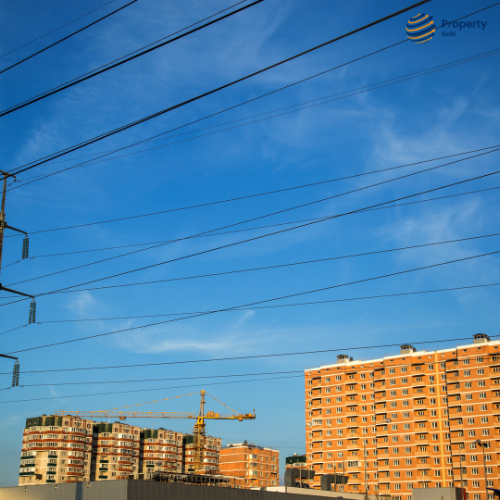
In September 2023, the Delhi High Court established a specialized committee to expedite the allocation of 9,104 constructed flats across Delhi. One of the key recommendations made by the committee is the rehabilitation of slum dwellers through the allocation of approximately 2,400 Jawaharlal Nehru National Urban Renewal Mission (JNNURM) flats in Sadva Ghevra, northwest Delhi. The renovation and repair process for these flats has already commenced.
DUSIB’s Role in the Renovation Process
The Delhi Urban Shelter Improvement Board (DUSIB) has initiated the firm shortlisting process to oversee the renovation of over 2,400 flats in Sadva Ghevra. These Economically Weaker Section (EWS) flats are being prepared for the relocation of slum dwellers from JJ Bastis to government-approved housing under JNNURM.
Phased Execution of the Rehabilitation Project
The rehabilitation project will be carried out in three phases, ensuring a systematic and efficient relocation process:
- Phase 1: 2,416 out of 3,560 EWS flats in Sadva Ghevra will undergo repair and renovation.
- Completion Timeline:
- 1,000 flats will be renovated and made habitable within three months of the project’s commencement.
- The remaining flats will be completed in the following three months.
- Flat Sizes: The units range between 350 sq ft and 400 sq ft, designed to accommodate low-income families.
Funding and Cost Estimation
The estimated cost for the renovation of these flats stands at ₹14.75 crore. The Delhi government will provide the primary funding through DUSIB. Additionally, the project can receive financial support from:
- Land-owning agencies
- Project beneficiaries (those being relocated)
Post-Relocation Plans and Area Reclamation
Once slum dwellers are relocated to the newly renovated homes, the vacated land will be returned to its original beneficiaries and land-owning agencies. This initiative aims to clear unauthorised settlements and promote planned urban development in Delhi.
Ensuring Habitability of the Flats
To make the flats fully habitable, DUSIB, Delhi Jal Board, and other civic agencies will conduct thorough site inspections. After assessing the condition of essential infrastructure, they will provide a cost estimate for repairs related to:
- Water supply
- Sewage systems
- Electricity connections
- General civil works
Government’s Vision for Slum-Free Delhi
The Delhi government’s broader goal is to reduce the number of unauthorized slums in the city. Projects like Sadva Ghevra’s rehabilitation initiative play a crucial role in ensuring slum dwellers have access to safe, government-approved housing while simultaneously utilizing unoccupied housing infrastructure.
This proactive approach will not only improve living standards for underprivileged communities but also streamline urban planning efforts, creating a more organized and habitable Delhi.