
Home › Articles › Andhra Pradesh Building Rules 2025: Regulations, Approvals & Compliance
Andhra Pradesh Building Rules 2025: Regulations, Approvals & Compliance
By PropertyGeld Editorial Team
Published on PropertyGeld:
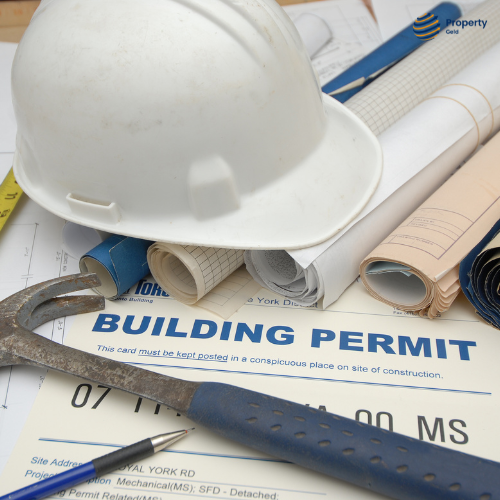
The Andhra Pradesh Building Rules 2025, formulated by the Andhra Pradesh Urban Planning Authority (APUPA) in collaboration with local municipal bodies, establish comprehensive guidelines for construction across the state. These rules encompass various aspects, including land usage, design parameters, safety measures, and sustainability practices, aiming to ensure uniformity and safety in residential, commercial, and industrial developments.
Classification of Buildings:
-
Low-Rise Buildings: Structures up to 15 meters in height fall under this category. The permissible height is contingent upon the plot size and the adjacent road width. For instance, plots smaller than 100 square meters are allowed a maximum building height of approximately 7 meters, with a front setback requirement of 1.5 meters.
-
High-Rise Buildings: Any building exceeding 15 meters is considered high-rise. Such structures necessitate additional clearances, particularly concerning fire safety and environmental compliance.
Streamlined Permissions for Low-Rise Buildings:
Effective from December 31, 2024, the state government has implemented a single-window system to expedite approvals for low-rise constructions (up to five floors or 15 meters). This initiative eliminates the need for multiple departmental clearances. Applicants are required to submit their building plans to the local municipal authority and pay the associated fees prior to commencing construction. Essential documentation includes proof of land ownership and adherence to zoning regulations, ensuring that the proposed construction does not adversely impact local infrastructure.
Application Process for Building Permits:
For project approval, the submitted master plan must detail:
-
Zoning Compliance: Ensuring the project aligns with designated land-use policies.
-
Design and Structural Integrity: Adherence to prescribed architectural and engineering standards.
-
Environmental and Fire Safety Regulations: Incorporation of measures that meet environmental sustainability and fire prevention criteria.
Layout Proposals and Sustainability Initiatives:
Layout proposals are evaluated based on factors such as plot dimensions, open space allocation, road width, and the availability of essential utilities like water, electricity, and sewage systems. The rules also emphasize sustainable development practices, mandating:
-
Incorporation of natural ventilation systems.
-
Implementation of rainwater harvesting solutions.
-
Utilization of solar energy and compliance with energy efficiency standards.
-
Use of eco-friendly construction materials.
Renovation and Modification Guidelines:
Property owners intending to undertake renovations or modifications must submit detailed plans to the local municipal body for approval. These plans should conform to existing design and safety standards. Significant alterations, especially those affecting the external structure, require comprehensive approvals to ensure compliance.
Fee Structure and Penalties:
Applicants are obligated to pay various fees, including admission, scrutiny, development, regularization, building license, and, if necessary, demolition fees. Non-compliance with the established building rules can lead to severe repercussions, such as stop-work orders, substantial fines ranging from Rs 10,000 to Rs 50,000 per day, and potential demolition of unauthorized constructions.
Legal and Grievance Redressal Mechanism:
The Town Planning Department offers a robust legal and grievance redressal system to address court cases, public grievances, and complaints lodged with the LokAyukta, ensuring transparency and accountability in enforcement.
Occupancy Certificate Requirement:
Post-construction, obtaining an occupancy certificate is mandatory. This certificate serves as a testament to the project's adherence to all regulatory compliances. Occupying a building without this certification is deemed illegal.
In summary, the Andhra Pradesh Building Rules 2025 are designed to facilitate streamlined construction processes while upholding safety, sustainability, and uniformity across all building projects within the state.