
Home › Articles › Addressing Construction Defects Post Possession: RERA Protections for Homebuyers
Addressing Construction Defects Post Possession: RERA Protections for Homebuyers
By PropertyGeld Editorial Team
Published on PropertyGeld:
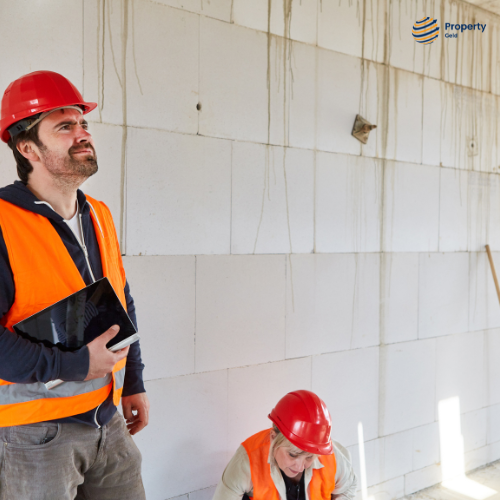
Discovering construction flaws such as wall cracks or water leakage after moving into a new home can be frustrating. Fortunately, the Real Estate (Regulation and Development) Act, 2016 (RERA) provides a legal framework ensuring that builders remain accountable for fixing such defects even after possession is granted. This article outlines the key RERA provisions, types of defects covered, the process for claiming compensation, real-life cases, challenges faced by homebuyers, and alternative legal options beyond RERA.
Legal Provisions Under RERA
Defect Liability Period (Section 14(3))
RERA enforces a five-year defect liability period from the date of possession. During this time, if structural defects or quality issues arise, the builder is legally required to rectify them within 30 days of notification, at no cost to the homeowner. If the builder fails to comply, the homebuyer is entitled to seek compensation under the Act. This ensures that buyers are not burdened with expenses for construction faults.
Obligations and Enforcement
Builders must address reported defects without charging the buyer. Any attempt to waive or limit this responsibility is legally invalid. RERA authorities have the power to enforce compliance, impose penalties, and mandate repairs. If a builder neglects a valid complaint, regulatory bodies can intervene, ensuring the developer either fixes the defects or compensates the buyer.
Types of Construction Defects Covered Under RERA
- Structural Defects: Issues affecting the stability or safety of the building, such as major cracks in beams, columns, or walls, and foundation sinking. Builders must resolve such defects to restore the structural integrity of the home.
- Poor Workmanship: Quality defects due to substandard construction practices, including uneven flooring, misaligned doors/windows, peeling paint, or improper plastering. Significant workmanship defects that affect aesthetics or functionality must be rectified.
- Plumbing and Leakage Problems: Common issues like water seepage, leaking pipes, faulty drainage, and poor waterproofing are covered under RERA’s defect liability. Builders must repair these issues, ensuring proper waterproofing and plumbing systems.
- Electrical Defects: Wiring problems, short circuits, faulty plug points, and improper earthing pose safety hazards. Builders are responsible for fixing such electrical issues within the five-year period.
- Material and Equipment Defects: If inferior materials lead to failures, such as cracked tiles, warping doors, or faulty installations (e.g., non-functioning water pumps), the builder must replace or repair them, provided the issue arises due to construction choices rather than normal wear and tear.
Process to Claim Compensation for Defects
- Notify the Builder: Homeowners must formally inform the builder in writing upon discovering a defect, allowing them an opportunity to rectify it within 30 days. Keeping records of communication is crucial.
- File a RERA Complaint: If the builder does not resolve the defect, the buyer can file a complaint with the state’s RERA Authority, providing evidence such as photographs, correspondence, and expert reports.
- Attend the Hearing: Both parties will present their case, and RERA will assess whether the defect falls within the builder’s liability period.
- Outcome – Repairs or Compensation: If the claim is valid, RERA may direct the builder to fix the defect or award compensation to the homeowner. Builders who fail to comply with RERA orders may face penalties.
Real-Life Cases of RERA Enforcement
- Maharashtra: The RERA Authority ordered a builder to repair leaks and cracked plaster that caused water seepage.
- Gujarat: A buyer experiencing persistent dampness due to plumbing defects received an order for proper repairs and waterproofing.
- Uttar Pradesh: The Supreme Court upheld a RERA decision awarding compensation for unresolved structural defects, reinforcing that homebuyers have legal protection under the Act.
These cases highlight RERA’s effectiveness in holding developers accountable for post-possession defects.
Challenges and Limitations
- Builder Delays & Denials: Some developers try to avoid liability by denying the defect or delaying action, forcing buyers to escalate complaints.
- Non-Compliance with Orders: Even after RERA rulings, some builders delay executing repairs or compensation, necessitating further enforcement efforts.
- RERA’s Scope: The Act covers only the first five years post-possession and applies only to registered projects. Beyond this period, homeowners need alternative legal options.
Despite these challenges, RERA has significantly improved buyer protection, making builders more responsive to defect complaints.
Alternative Legal Remedies Beyond RERA
- Consumer Forums: Homebuyers can file complaints under consumer protection laws for deficiencies in service. Consumer courts can order repairs and award compensation for damages and inconvenience.
- Civil Lawsuits: In cases where defects cause major financial losses, homeowners can file civil suits against the builder for breach of contract or negligence. However, civil litigation is often more time-consuming and expensive.
Conclusion
RERA provides a strong legal framework to protect homebuyers from construction defects, ensuring builders remain accountable for quality issues for five years post-possession. While challenges exist, the Act has significantly improved the process of addressing post-possession defects. Homeowners should act promptly, understand their rights, and utilize available legal remedies if builders fail to comply.
Related articles
- Addressing Construction Defects Post Possession: RERA Protections for Homebuyers
- Earth Infrastructure RERA Case: Homebuyers & Delayed Project
- Understanding Homebuyers' Rights Under RERA
- Telangana RERA Orders Builder to Compensate Buyer for Delayed Possession
- MahaRERA Faces Backlog of Over 8,000 Complaints from Homebuyers in Maharashtra