
Home › Articles › Delhi › Retrofitting Old Commercial Buildings in India | Benefits
Retrofitting Old Commercial Buildings in India | Benefits
By PropertyGeld Editorial Team
Published on PropertyGeld:
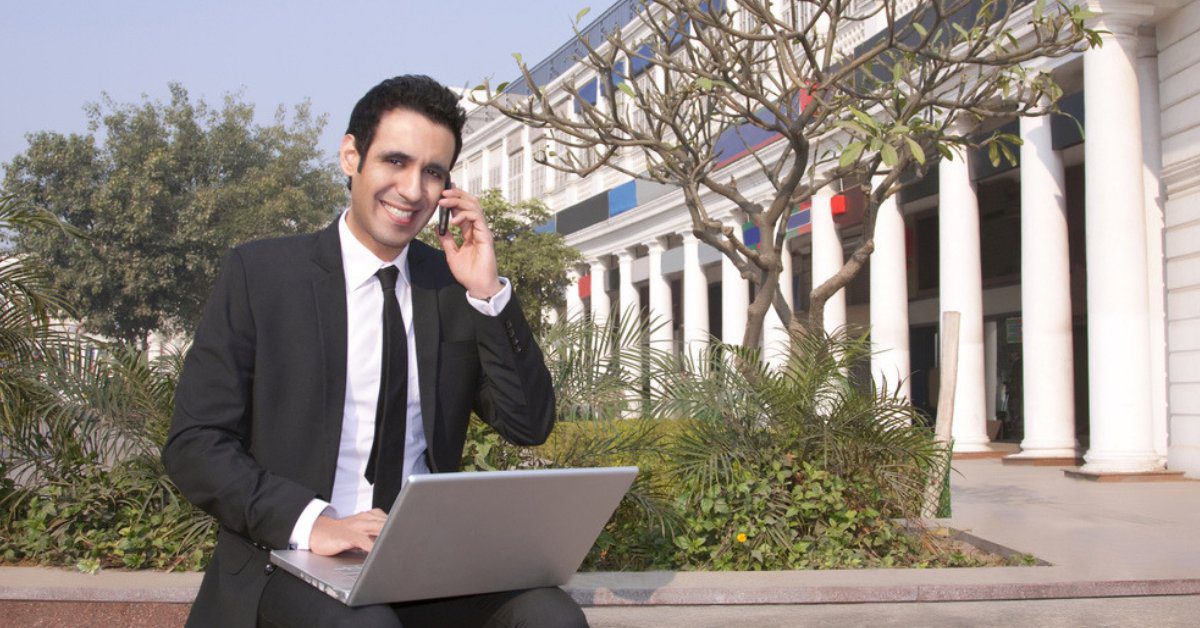
Retrofitting Old Commercial Buildings: Can It Revive India's Traditional CBDs?
India's commercial real estate market has been changing rapidly. Businesses are increasingly looking for modern office spaces that offer better amenities, efficient layouts, technology-enabled infrastructure and a better working environment.
This shift has created a challenge for older commercial buildings located in traditional Central Business Districts (CBDs). Instead of allowing these properties to become outdated, retrofitting can provide an opportunity to upgrade them and make them suitable for today's office occupiers.
What Is Retrofitting?
Retrofitting refers to upgrading an existing building rather than completely replacing it.
For an old commercial property, this can include:
Modernising electrical and mechanical systems
Improving air-conditioning and ventilation
Upgrading lifts and common areas
Improving energy efficiency
Adding modern security systems
Redesigning office layouts
Improving parking and access
Upgrading interiors and building appearance
Introducing technology-enabled building systems
The objective is to extend the useful life of an existing property while making it more suitable for current tenants.
Why Are Older CBD Buildings Facing Challenges?
Traditional CBDs were once the preferred locations for major companies because of their central locations, established infrastructure and prestigious addresses.
However, the requirements of modern businesses have changed.
Companies increasingly look for:
Flexible office layouts
Modern amenities
Energy-efficient buildings
Better employee facilities
Larger floor plates
Efficient parking
Technology-enabled infrastructure
Healthy and comfortable workplaces
Many older buildings were not originally designed around these requirements. As a result, some occupiers have shifted towards newer commercial districts.
Mumbai and Delhi-NCR: Changing Commercial Preferences
Mumbai and Delhi-NCR have a significant amount of older office stock.
In Mumbai, Nariman Point was historically one of the city's most important commercial districts. However, newer locations such as Bandra-Kurla Complex have attracted businesses looking for modern office environments.
Similarly, Connaught Place has historically been a major commercial centre in Delhi, while Gurugram has developed into an important modern business destination in the NCR.
The shift does not necessarily mean that traditional CBDs have become irrelevant. Their established location, accessibility and surrounding business ecosystem can still provide advantages.
Newer Business Districts Have an Infrastructure Advantage
Modern commercial districts are often developed with newer planning standards and larger office spaces.
They may offer:
Modern building designs
Larger and more flexible workspaces
Better parking facilities
Improved energy efficiency
Modern elevators
Better employee amenities
Integrated commercial infrastructure
These features can influence companies when deciding where to locate or relocate their offices.
Retrofitting Can Give Old Buildings a New Life
Instead of demolishing an older commercial property, owners can explore redevelopment and retrofitting options.
A well-planned upgrade can improve the building's appearance, functionality and efficiency.
For example, an ageing office building could be upgraded with modern elevators, improved ventilation, energy-efficient systems, better security, renovated lobbies and redesigned workspaces.
Such improvements can make the property more attractive to businesses that might otherwise prefer newer buildings.
Benefits of Retrofitting Commercial Properties
1. Extending Building Life
Upgrading an existing building can help extend its useful economic life and delay the need for complete redevelopment.
2. Improving Rental Potential
Modern amenities and better building performance can make an older property more attractive to prospective tenants.
3. Better Employee Experience
Today's businesses increasingly consider the quality of the workplace when selecting office space. Better lighting, ventilation, common areas and amenities can improve the overall office environment.
4. Improved Energy Efficiency
Retrofitting can include energy-efficient lighting, cooling systems and other building services. This can help reduce operating costs depending on the building and technology used.
5. Better Use of Existing Urban Infrastructure
Older CBDs already have established roads, public transport, commercial ecosystems and supporting services. Upgrading existing buildings can allow cities to make better use of this infrastructure.
Retrofitting Can Also Help Urban Planning
The benefits of upgrading old commercial buildings can extend beyond individual property owners.
Traditional CBDs often have established public infrastructure around them. If buildings become outdated and businesses move away, surrounding commercial activity can also weaken.
Modernising existing properties can help maintain economic activity in these areas.
Urban planners can also consider improvements to:
Public spaces
Pedestrian infrastructure
Parking
Transport connectivity
Streetscapes
Green areas
Supporting commercial facilities
This can create a more complete transformation of an older business district.
Funding Is an Important Challenge
Retrofitting an old commercial building requires significant investment.
Property owners may need to spend on structural improvements, building services, interiors, technology and compliance-related upgrades.
The financial viability depends on several factors, including:
Location
Existing rental income
Building condition
Cost of renovation
Expected rental improvement
Vacancy levels
Tenant demand
Availability of financing
Therefore, not every ageing commercial property will have the same retrofitting potential.
Collaboration Is Necessary
Successful transformation of older commercial buildings may require cooperation between property owners, developers, tenants, architects, engineers, local authorities and financial institutions.
Approvals, building regulations, funding and project execution all need to be considered before beginning major upgrades.
The Future of Traditional CBDs
The growth of newer business districts does not necessarily eliminate the relevance of older CBDs.
Established commercial areas often have advantages such as:
Central locations
Public transport access
Established business networks
Nearby retail and hospitality
Existing infrastructure
Recognised business addresses
With suitable modernisation, some older commercial buildings can potentially continue serving businesses while adapting to changing workplace requirements.
Conclusion
The changing preferences of office occupiers have created pressure on older commercial buildings across India's traditional CBDs. However, retrofitting provides one possible approach to modernise these assets instead of allowing them to become obsolete.
Upgrading building systems, amenities, workspaces and energy efficiency can improve the functionality of ageing commercial properties. The success of such projects, however, depends on location, tenant demand, investment requirements and the feasibility of the proposed upgrades.
Explore
Related topics
Articles about Delhi · Articles about Gurugram · Articles about Mumbai