
Home › Articles › Gurugram › Mumbai Water Cut 2018: BMC Announces 10% Water Supply Reduction
Mumbai Water Cut 2018: BMC Announces 10% Water Supply Reduction
By Aman
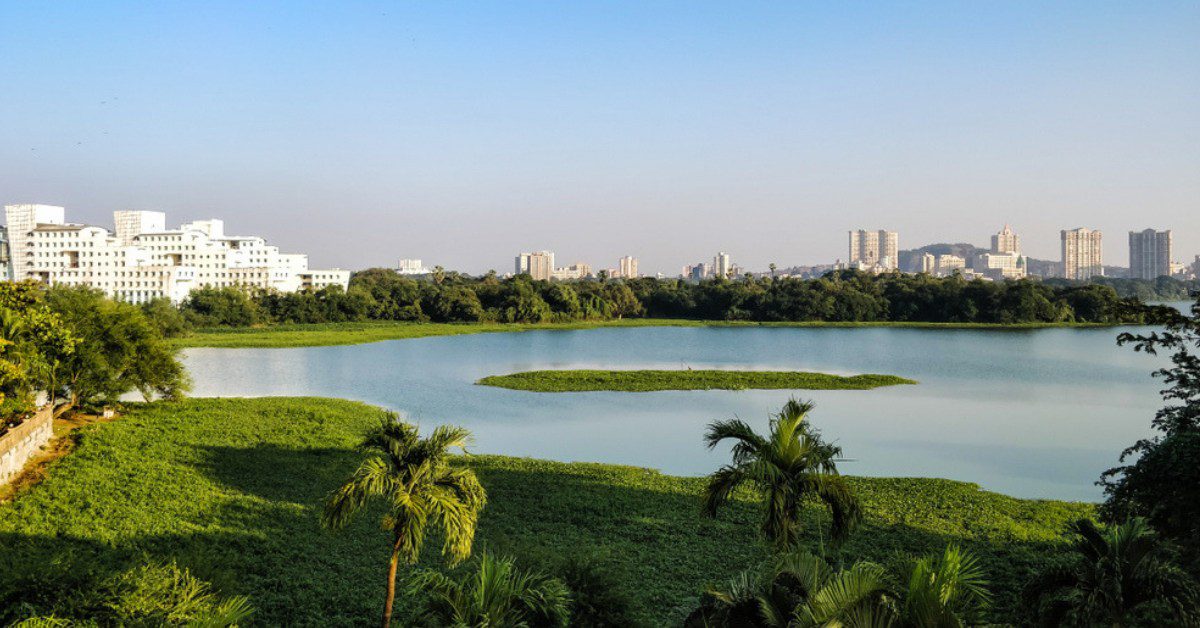
Mumbai Water Cut: 10% Reduction in Water Supply Announced by BMC
Mumbai has faced periodic water shortages when rainfall and reservoir levels fall below the levels required to maintain the city's regular water supply. In November 2018, the Brihanmumbai Municipal Corporation (BMC) announced a 10% reduction in water supply after water stocks in the city's seven major reservoirs were significantly lower than the previous year.
Note: The original article title contains “2108”, but the reported event took place in 2018.
Why Was Mumbai's Water Supply Reduced?
The decision was linked to lower water storage in the seven reservoirs that supply Mumbai. On November 11, 2018, the combined stock was around 11,11,385 million litres, compared with approximately 13,33,522 million litres during the same period a year earlier.
The shortage was also associated with weaker rainfall during August and September, which affected the replenishment of the city's water sources.
10% Water Cut Across Mumbai
The BMC announced that the water supply would be reduced by 10% from November 15, 2018, with the restriction continuing until the reservoir situation was reviewed.
At that time, the civic body was supplying approximately 3,800 million litres of water per day against an estimated demand of around 4,200 million litres per day. The announced reduction represented roughly 380 million litres per day.
The restriction applied to residential, commercial and other establishments receiving water through the civic supply network.
Areas Affected by the Water Cut
The reduction was not limited to Mumbai city. Areas receiving water from the BMC system, including Thane, Bhiwandi and Kalyan, were also expected to be affected.
Residents and establishments were advised to use available water carefully while the civic authorities monitored reservoir levels.
Seven Main Water Sources for Mumbai
Mumbai's water supply depends heavily on seven reservoirs and lakes:
Bhatsa
Upper Vaitarna
Middle Vaitarna
Tansa
Modak Sagar
Vihar
Tulsi
These water sources are located mainly outside Mumbai, including areas of Maharashtra's Thane and Nashik regions.
Bhatsa is particularly important to the city's water network because of its large contribution to Mumbai's overall supply.
How Much Water Was Available?
According to information reported at the time, the seven lakes had enough stock for approximately 292 days based on the prevailing consumption and supply conditions.
However, the available storage was considerably lower than the previous year. In November 2017, the reservoirs were more than 92% full, while the corresponding stock in November 2018 was substantially lower.
Previous Water Cuts in Mumbai
Mumbai has experienced water restrictions during earlier periods of inadequate rainfall and lower reservoir storage.
Previous major reductions included:
Year | Reported Water Cut |
|---|---|
2009 | 20–30% |
2014 | 20% |
2015 | 25% |
2018 | 10% |
The severity of a water cut depends on rainfall, reservoir storage, consumption requirements and the expected availability of water during the following months.
Why Reservoir Levels Matter for Mumbai
Mumbai receives most of its municipal water from reservoirs located outside the city. This makes the city's water availability closely connected to monsoon rainfall and storage levels.
When rainfall is below expectations, reservoir inflows can decline. If storage remains low, authorities may have to reduce supply to ensure that available water lasts through the dry period.
Water conservation therefore becomes particularly important during periods of low reservoir storage.
Importance of Water Conservation
During a water shortage, residents can reduce unnecessary consumption through simple measures such as:
Repairing leaking taps and pipes
Avoiding unnecessary water wastage
Using buckets instead of excessive running water
Reusing water wherever practical
Reducing water use for cleaning and washing
Storing only the quantity of water that is actually required
Commercial establishments and residential societies can also monitor consumption and identify leakage in their internal plumbing systems.
Conclusion
The 2018 Mumbai water cut was introduced after lower reservoir levels and weaker rainfall raised concerns about the city's available water stock. The BMC announced a 10% reduction in supply from November 15, affecting residential, commercial and other users in Mumbai and some neighbouring areas.
The episode also highlighted Mumbai's dependence on its reservoir network and the importance of rainfall, water storage and responsible consumption in maintaining a stable urban water supply.