
Home › Articles › Delhi › Indian Startups Transform Flexible Office Space Market
Indian Startups Transform Flexible Office Space Market
By PropertyGeld Editorial Team
Published on PropertyGeld:
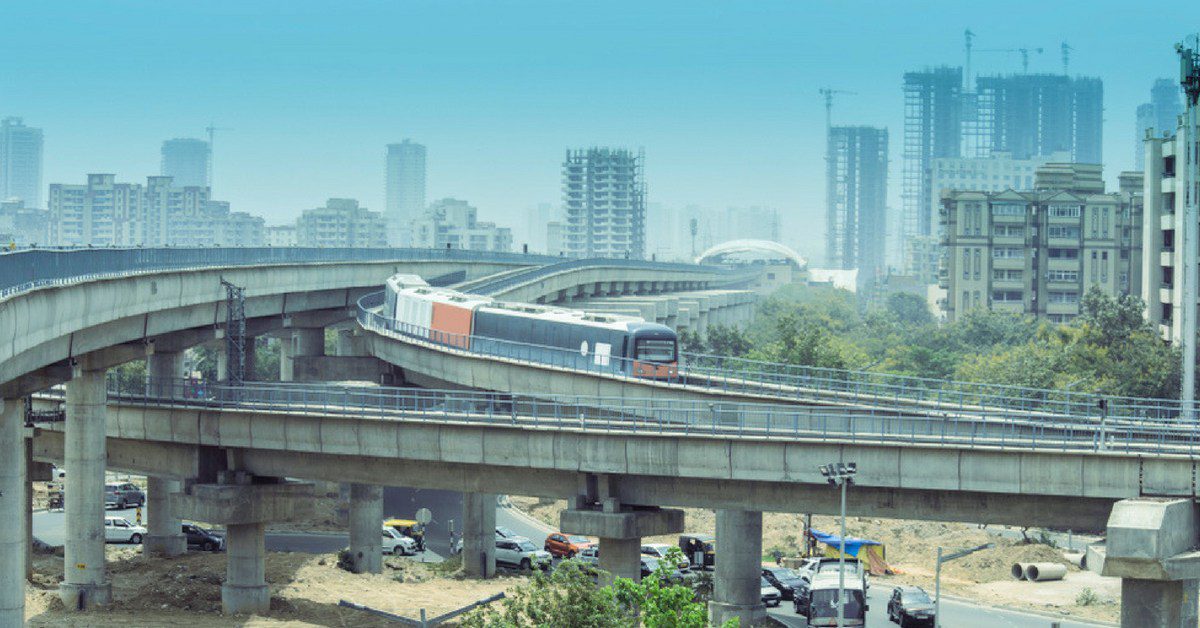
Delhi-NCR's Emerging Real Estate Destinations
Delhi-NCR continues to attract homebuyers and property investors because of its large employment base, improving infrastructure and expanding transportation network.
Although the residential market had experienced a slowdown, several developing areas were gaining attention because of better road connectivity, metro expansion and relatively affordable property options.
The growing demand for reasonably priced housing was particularly important as property values in established parts of Delhi remained comparatively high.
Affordable Housing Hotspots
Several emerging locations were being considered promising options for buyers looking for affordable homes.
Some of the important areas included:
Sohna
Bhiwadi
Yamuna Expressway
Greater Noida West
Raj Nagar Extension
These locations offered comparatively affordable housing while benefiting from ongoing infrastructure development.
Gurugram Continues to Attract Buyers
Gurugram remained one of the most important real estate markets in the NCR.
Improving infrastructure, employment opportunities and proximity to major commercial hubs continued to support housing demand.
Areas such as Golf Course Road, Golf Course Road Extension and Dwarka Expressway were among the locations attracting considerable interest.
The expansion of metro connectivity and Gurugram's Rapid Metro network also supported the area's residential growth.
Ghaziabad and NH-24 Corridor
Ghaziabad and areas around NH-24 were emerging as another investment opportunity.
Improved road infrastructure and access to major highways were expected to make the corridor more attractive for residential development.
The Eastern Peripheral Expressway was also expected to improve regional connectivity, while planned metro connectivity was viewed as another factor that could support property demand.
Faridabad and Palwal
Infrastructure projects were also creating opportunities around Faridabad and Palwal.
The development of the Kundli-Manesar-Palwal (KMP) Expressway was expected to improve connectivity and support growth in areas such as Neharpar and Palwal.
Better transportation links can increase accessibility to employment centres and other established parts of the NCR.
Infrastructure Driving Property Demand
Infrastructure development was one of the biggest factors behind the emergence of new property markets in Delhi-NCR.
Important developments included:
Delhi Metro expansion
Gurugram Rapid Metro
Eastern Peripheral Expressway
KMP Expressway
NH-8 improvements
Sohna Road expansion
New flyovers and underpasses
Better connectivity can make developing locations more attractive to both residents and investors.
Impact of RERA and GST
The real estate sector was also adjusting to major regulatory reforms, particularly RERA and GST.
As the market gradually adapted to these changes, sentiment towards Delhi-NCR property was showing signs of improvement.
Greater transparency and increased regulation were expected to contribute to a more organised real estate market.
Conclusion
Delhi-NCR's real estate growth was increasingly spreading beyond established markets.
Sohna, Bhiwadi, Yamuna Expressway, Greater Noida West, Raj Nagar Extension, Ghaziabad, Faridabad and Palwal were among the emerging areas highlighted because of affordability and infrastructure development.
Gurugram's established corridors, including Golf Course Road and Dwarka Expressway, also remained important residential destinations.
SEO Details
Meta Title:
New Real Estate Hotspots in Delhi-NCR
Meta Description:
Explore emerging real estate hotspots in Delhi-NCR, including Sohna, Bhiwadi, Greater Noida West, Raj Nagar Extension, Ghaziabad and Faridabad.
Primary Keyword:new real estate hotspots in Delhi NCR
Secondary Keywords:
Delhi NCR real estate
emerging property locations Delhi NCR
affordable housing Delhi NCR
Sohna real estate
Bhiwadi property
Greater Noida West property
Raj Nagar Extension
Ghaziabad real estate
Faridabad property
Palwal real estate
Dwarka Expressway property
Gurugram real estate
NCR property investment
Suggested URL Slug:/new-real-estate-hotspots-delhi-ncr/
City: Delhi-NCR
2. Two Indian Startups Target the Flexible Office Space Market
City/Geography: Multiple Indian cities
Major locations: Mumbai, Gurugram, Noida, Hyderabad, Kolkata, Pune, Chennai, New Delhi, Navi Mumbai, Chandigarh and Bengaluru.
Startups Bringing Flexibility to Office Spaces
India's flexible office market was growing rapidly, but there was still a major gap in the market.
Large commercial buildings often had entire floors or office areas sitting vacant while owners waited for large corporate tenants to lease them.
At the same time, startups, freelancers and smaller businesses were looking for affordable office space without committing to large, long-term leases.
Two startups, WorkTNC and Breathing Room, were attempting to bridge this gap by connecting businesses with unused or underutilised office spaces.
WorkTNC's Flexible Office Model
WorkTNC was founded in Mumbai by Kunal Modi, Sandeep Bali and Nikunj Karia.
The company offered flexible workspace options across multiple Indian cities.
Its network included:
Mumbai
Gurugram
Noida
Hyderabad
Kolkata
Pune
Chennai
New Delhi
Navi Mumbai
Chandigarh
The startup reportedly became profitable within about 50 days of beginning operations.
Breathing Room Focuses on Underused Spaces
Breathing Room was founded by Kaushal Sanghavi and Mahernosh Bathena.
The company focused on making existing office facilities available for short-term requirements.
Its services included:
Meeting rooms
Training rooms
Boardrooms
Desks
Temporary workspace
The company operated in Mumbai, Bengaluru, Pune and Hyderabad.
Instead of leaving office facilities unused, the model allowed other businesses to rent them for shorter periods, including on an hourly basis.
Benefits for Property Owners
The concept provided commercial property owners with another way to generate income.
For example, an office may have a meeting room that remains unused for several hours a day. Rather than leaving it vacant, the space could be offered to another company.
This created an additional revenue opportunity without requiring the owner to enter into a conventional long-term lease.
Benefits for Startups and Freelancers
The model was also useful for smaller businesses.
Startups and freelancers often do not require a large permanent office.
Flexible workspaces allow them to access professional facilities while avoiding the cost and commitment associated with traditional commercial leases.
Co-working Market Expanding
India's startup ecosystem was contributing significantly to the growth of co-working and flexible office spaces.
The workforce was becoming increasingly comfortable with alternative workplace models, while businesses were looking for more flexible ways to manage their office requirements.
At the time, India's flexible office market was estimated at around 13 million sq ft, with expectations of strong future growth.
Changing Commercial Real Estate
The emergence of businesses such as WorkTNC and Breathing Room reflected a broader change in India's commercial property sector.
Instead of depending entirely on conventional office leases, property owners could explore:
Short-term rentals
Shared workspaces
Meeting-room rentals
Training facilities
Flexible desks
Temporary office arrangements
This helped improve the utilisation of existing commercial properties.
Conclusion
The flexible office model was creating a new connection between unused commercial space and businesses looking for affordable workspace.
WorkTNC focused on providing flexible office options across several Indian cities, while Breathing Room concentrated on making underused office facilities available for meetings, training and temporary work requirements.
The article is not specific to one city. It is a pan-India commercial real estate article, although Mumbai is particularly important because WorkTNC was founded there and both companies operated in the city.
Explore
Related topics
Articles about Delhi · Articles about Faridabad · Articles about Gurugram