
Home › Articles › How Are Expressways Reshaping India’s Real Estate Market?
How Are Expressways Reshaping India’s Real Estate Market?
By PropertyGeld Editorial Team
Published on PropertyGeld:
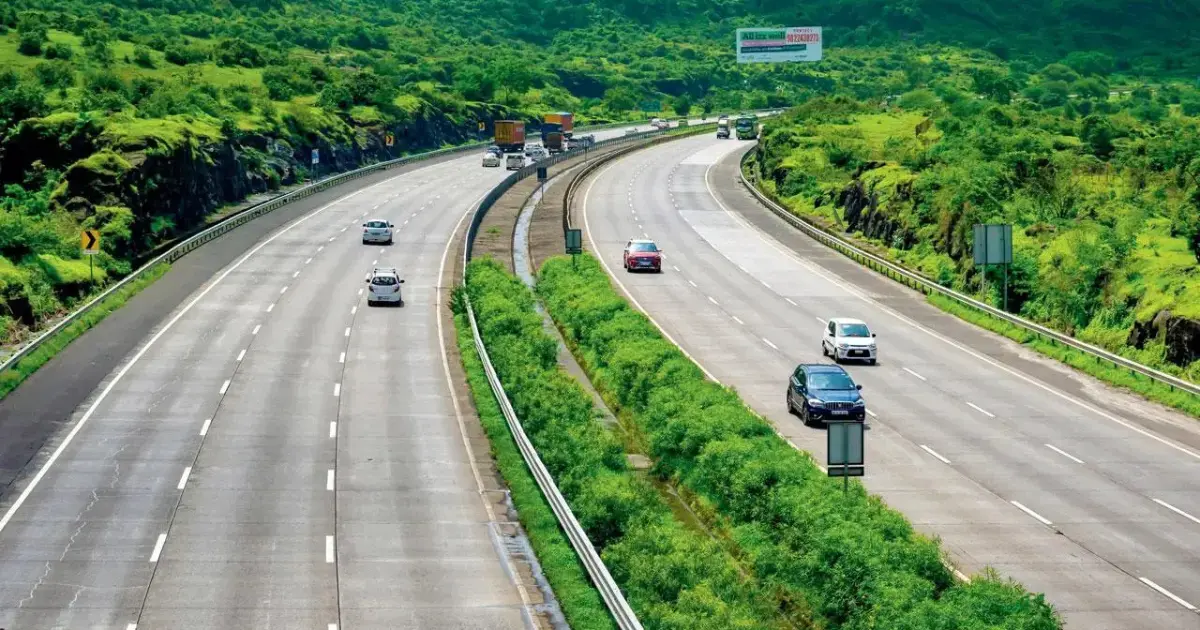
In the past decade, India’s infrastructure landscape has undergone a dramatic transformation. Among the most impactful developments are the expressways — high-speed, limited-access highways designed to connect cities, industrial hubs, ports, and economic corridors. These modern roadways are not just easing travel; they are actively reshaping India’s real estate market by influencing demand, pricing, and land use patterns across urban and suburban regions.
🚀 1. Enhanced Connectivity Fuels Demand
Expressways drastically reduce travel times between cities and satellite towns. When regions become reachable within 30–60 minutes of major economic centres, they suddenly become viable residential and commercial destinations.
Real Estate Impact:
-
Residential demand rises in previously peripheral towns.
-
Commercial and retail spaces gain visibility as businesses follow commuters.
-
Land value appreciates rapidly near expressway exits and interchanges.
Example: The Delhi–Mumbai Expressway has increased interest in real estate across cities like Jaipur, Neemrana, and Vadodara due to faster access and improved logistics.
🏡 2. Rise of Satellite Cities and Suburban Hubs
As expressways improve accessibility, many homebuyers and investors are looking beyond congested city cores to find space, affordability, and a better quality of life.
Trends Triggered:
-
Suburban markets gain traction as primary or second home destinations.
-
Development shifts from city centres to strategic nodes along expressways.
-
Plotted and township developments see higher traction.
Impact: Cities near expressways often witness new micro-markets emerging, offering a blend of affordable housing, investment potential, and lifestyle amenities.
💼 3. Commercial Real Estate Growth Along Corridors
Expressways are not just residential game-changers — they are economic backbones.
Commercial impacts include:
-
Logistics hubs, warehouses, and industrial parks gain strategic importance.
-
Office parks emerge within expressway belts near talent pools.
-
Retail and hospitality sectors thrive near these high-traffic routes.
-
Institutional investors target infrastructure-linked projects.
With efficient cargo movement and employee commute, expressways attract corporate interest and boost commercial leasing activity.
📈 4. Appreciation in Land and Property Prices
One of the most visible effects of expressway connectivity is the appreciation of land values. Areas that were once rural or underdeveloped turn into high-growth real estate pockets, especially around:
-
Interchange nodes
-
Transit hubs
-
Industrial clusters
Growth drivers:
-
Increased buyer confidence
-
Easy access to major cities
-
Corporate relocation or expansion
📊 Result: Cities connected by expressways often show double-digit price appreciation compared to regions without expressway access.
🏘️ 5. Affordable Housing Gets a Boost
Expressways don’t just benefit luxury or premium segments — they also fuel affordable housing growth.
How?
-
Lower land prices on expressway fringes allow developers to offer housing at competitive price points.
-
Homebuyers looking for cost-effective options but still desiring connectivity are increasingly choosing expressway belt locations.
-
Government housing incentives often tie into improved infrastructure, further empowering affordable real estate uptake.
🛣️ 6. Increased Investment in Infrastructure
As expressways become operational, governments and private players often follow up with additional infrastructure:
-
Metro and regional transit links
-
Water, sewerage, and power grids
-
Retail and civic amenities
-
Educational and healthcare facilities
This multi-layered development enhances livability and accelerates real estate growth in expressway-linked regions.
🧠 7. Policy Support and Integrated Regional Planning
Expressway development is frequently supported by strong policy frameworks, including:
-
Dedicated investment corridors
-
Special Economic Zones (SEZs)
-
Industrial clusters aligned with highways
-
Ease-of-doing-business reforms
This coordinated approach invites long-term investment, both domestic and foreign, into real estate and allied sectors.
🌍 8. Changing Buyer Preferences
Modern homebuyers prioritize:
✔ Shorter commute times
✔ Proximity to employment hubs
✔ Better lifestyle and social infrastructure
✔ Future resale value
Expressways tick these boxes, prompting migration from densely populated cities to emerging towns and corridors.
🧩 Case Study Highlights
1. Delhi–Meerut Expressway (UP)
-
Reduced travel time between Delhi and Meerut
-
Enhanced real estate demand in sectors like Ghaziabad, Hapur, and Meerut
2. Eastern & Western Peripheral Expressways (NCR)
-
Decongestion in Delhi
-
New growth belts across Noida, Greater Noida, Faridabad, and Gurugram
-
Spur in plotted and township developments
3. Mumbai–Pune Expressway
-
Growth of satellite towns like Lonavala and Talegaon
-
Interest from industrial and leisure real estate investors