
Home › Articles › Guide to Selling a DDA Flat
Guide to Selling a DDA Flat
By PropertyGeld Editorial Team
Published on PropertyGeld:
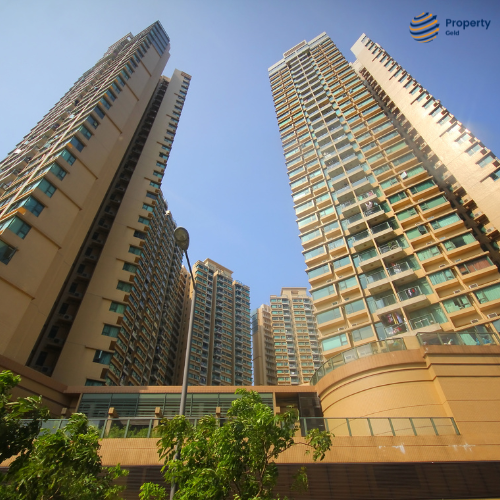
Selling a Delhi Development Authority (DDA) flat involves several key steps to ensure a smooth and legally compliant transaction. Here's a comprehensive guide to assist you through the process:
1. Verify Eligibility
Ensure you are the registered owner of the DDA flat. While the previous five-year lock-in period for selling DDA flats has been abolished, it's crucial to confirm that all ownership records are up-to-date and accurate.
2. Settle Outstanding Dues
Before initiating the sale, clear all pending dues associated with the property. This includes utility bills (electricity and water), maintenance charges, and property taxes. Clearing these dues is essential to prevent any complications during the sale process.
3. Gather Essential Documentation
Prepare the following documents to facilitate the sale:
-
Allotment Letter: The original document issued by DDA allotting the flat to you.
-
Possession Letter: Proof that the property was handed over to you.
-
Sale Deed: The legal document evidencing your ownership of the property.
-
No Objection Certificates (NOCs): Clearances from relevant authorities, including electricity and water departments, confirming no pending dues.
-
Encumbrance Certificate: A document stating that the property is free from any legal liabilities or mortgages.
-
Identity Proof: Government-issued ID such as Aadhaar card, PAN card, or passport.
-
Address Proof: Utility bills, voter ID, or any official document reflecting your current address.
4. Convert Leasehold to Freehold (if applicable)
Many DDA flats are allotted on a leasehold basis. Converting the property to freehold can enhance its market value and appeal to potential buyers. To initiate this conversion:
-
Application: Submit an application to the DDA for conversion, either online or at designated DDA offices.
-
Required Documents: Provide necessary documents, including the allotment letter, possession letter, and proof of payment of all dues.
-
Conversion Charges: Pay the applicable conversion fees as determined by the DDA.
Upon approval, the DDA will issue a conveyance deed, officially converting the property to freehold status.
5. Execute the Sale
With all preparations in place:
-
Find a Buyer: Market your property through various channels such as real estate portals, advertisements, or real estate agents.
-
Draft a Sale Agreement: Once a buyer is identified, prepare a sale agreement outlining the terms and conditions of the sale, including the sale price, payment schedule, and possession date.
-
Register the Sale Deed: Both parties must visit the local Sub-Registrar's office to register the sale deed. This legalizes the transfer of ownership. Ensure all stamp duties and registration fees are duly paid.
6. Handover Possession
After completing the legal formalities, hand over the property to the buyer, along with all relevant documents and keys. It's advisable to document the handover process to avoid future disputes.
By meticulously following these steps, you can ensure a seamless and legally sound sale of your DDA flat.