
Home › Articles › Ahmedabad › Drywall Technology in India: Benefits & Faster Construction
Drywall Technology in India: Benefits & Faster Construction
By PropertyGeld Editorial Team
Published on PropertyGeld:
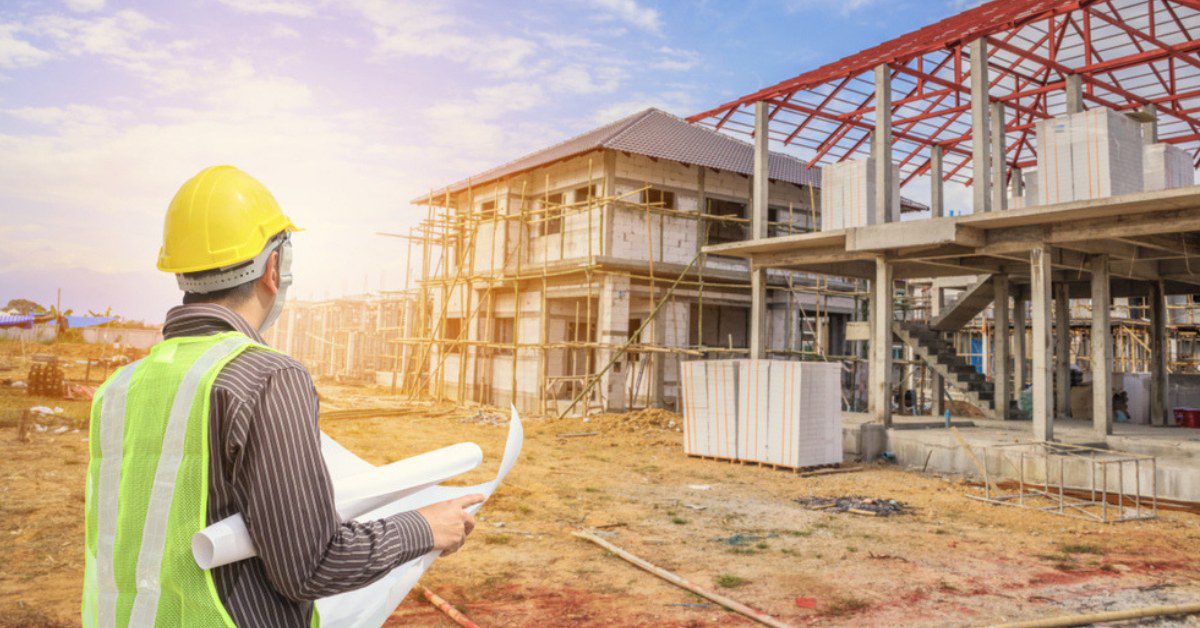
Drywall Technology in India: Can It Make Construction Faster?
India's real estate sector is increasingly adopting modern construction methods to improve speed, efficiency and sustainability. One technology that has gained attention is drywall construction, which uses gypsum-based boards instead of conventional brick-and-mortar walls.
With faster project completion becoming increasingly important for developers, modern construction materials can help reduce labour requirements, structural loads and construction time.
What Is Drywall Construction?
Drywall is a construction system that generally uses gypsum boards mounted on a framework to create internal walls, partitions and ceilings.
Unlike traditional masonry walls, drywall systems do not require the same amount of water, mortar and on-site masonry work. The components can be installed relatively quickly and can also be modified or removed more easily.
Why Is Construction Technology Important?
The Indian construction industry faces challenges such as rising labour costs, skilled-worker shortages, increasing material expenses and pressure to complete projects within planned timelines.
Modern construction technologies can help developers improve productivity while maintaining consistent quality. Faster construction can also help reduce some project-related expenses and support timely delivery.
Advantages of Drywall Over Traditional Brick Walls
1. Faster Installation
One of the biggest advantages of drywall is the speed of installation. Large wall sections can be created using prefabricated boards and framing systems, reducing the amount of conventional masonry work required at the site.
This can help developers shorten certain stages of the construction process.
2. Lightweight Construction
Drywall systems are generally lighter than conventional brick walls. Lower wall weight can reduce the load placed on the building structure and may contribute to structural cost efficiencies.
This characteristic can be particularly useful in high-rise residential and commercial buildings.
3. Lower Water Consumption
Traditional masonry construction involves significant water usage for activities such as mixing mortar and curing.
Drywall systems require substantially less water during installation, making them an attractive option for projects where resource efficiency and sustainable construction are priorities.
4. Reduced Labour Requirement
Because drywall components are manufactured and installed using a relatively systematic process, they can reduce dependence on some labour-intensive masonry activities.
This can be useful when developers are dealing with skilled-labour shortages or trying to maintain construction schedules.
5. Better Acoustic Performance
Gypsum-based wall systems can provide useful sound-insulation properties when designed with appropriate layers and insulation materials.
This makes drywall suitable for residential apartments, offices, hotels, hospitals and educational buildings where privacy and noise control are important.
6. Fire-Resistant Options
Specially designed gypsum boards can provide fire-resistant performance and are used in applications where fire safety is an important consideration.
The exact level of protection depends on the product, wall assembly and construction specification.
7. Design Flexibility
Drywall can be used to create partitions, ceilings and different interior configurations. Since panels can be cut and installed in different shapes and sizes, they offer flexibility for modern interior layouts.
Where Is Drywall Technology Being Used in India?
Drywall and gypsum-based construction products have been used in several major Indian projects and building types.
Examples mentioned in industry discussions include:
Delhi International Airport's Terminal 3
Hotels in Gurugram
Healthcare facilities in Mumbai
Manufacturing facilities in Noida
Educational institutions in Greater Noida
Commercial and infrastructure projects in Mumbai
Large public infrastructure projects in Gujarat
Hospitality projects in Kochi
These examples demonstrate that drywall systems are not limited to residential buildings and can also be used in large commercial, institutional and infrastructure projects.
Can Drywall Reduce Construction Timelines?
Drywall can potentially reduce construction time because installation is generally faster than conventional brick masonry and involves fewer wet construction activities.
However, drywall alone does not guarantee faster completion of an entire real-estate project. Overall timelines also depend on structural construction, availability of materials, labour, design coordination, approvals, project management and finishing work.
Therefore, drywall should be considered as one part of a broader modern construction strategy.
Role in Sustainable Construction
Sustainability is becoming increasingly important in India's construction sector. Materials that reduce water consumption, minimise waste and improve construction efficiency can support greener building practices.
Drywall systems can contribute to this objective through lower water requirements and the use of gypsum-based products, including products containing recycled material depending on the system and manufacturer.
Future of Drywall Construction in India
The adoption of drywall technology is likely to depend on factors such as developer awareness, availability of skilled installers, material supply, project requirements and overall cost.
As Indian cities continue to urbanise and demand for residential and commercial buildings grows, construction companies are exploring technologies that can deliver projects faster while maintaining quality and safety.
Drywall can therefore be an important component of India's transition towards more efficient and technology-driven construction practices.
Conclusion
Drywall technology offers several potential advantages over conventional brick-and-mortar construction, including faster installation, lower weight, reduced water usage, acoustic performance, fire-resistant options and greater design flexibility.
Its adoption across residential, commercial, hospitality, healthcare and institutional projects shows that modern wall systems are becoming an important part of India's evolving construction sector. However, the actual time and cost savings depend on the design, project scale, installation method and overall construction strategy.
Explore
Related topics
Articles about Ahmedabad · Articles about Bengaluru · Articles about Delhi · Articles about Faridabad · Articles about Gurugram · Articles about Jaipur · Articles about Kolkata · Articles about Mumbai · Articles about Pune